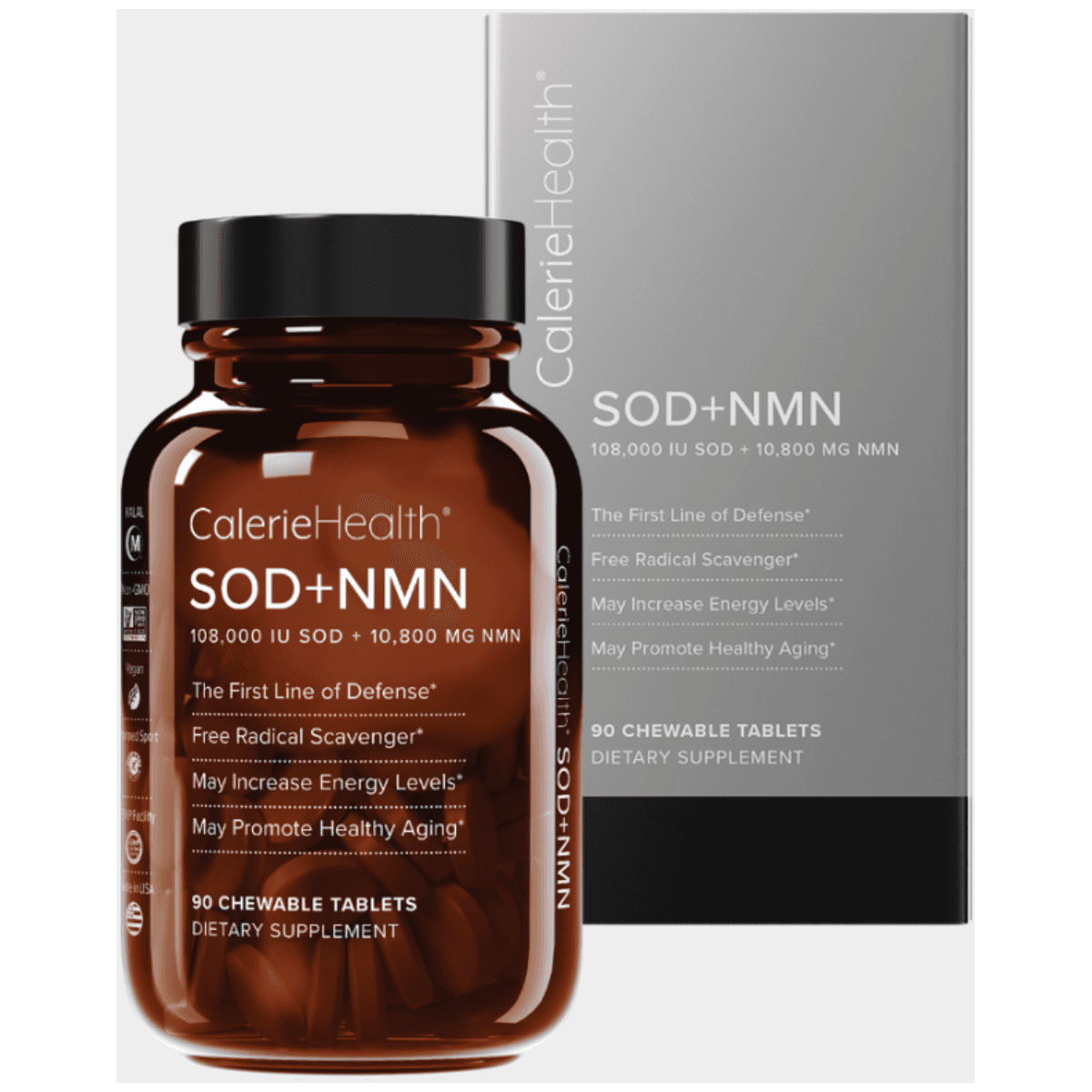
Biological aging is closely linked to the decline of energy functions within our cells. At the heart of this dynamic are two essential players: the coenzyme **NAD+** (Nicotinamide Adenine Dinucleotide) and a family of proteins called **sirtuins**, often referred to as "longevity genes."
What is NAD+?
NAD+ is a fundamental molecule found in all living cells. It plays a key role in electron transport within mitochondria, helping convert nutrients into cellular energy (ATP). Additionally, NAD+ is an indispensable cofactor for enzymes responsible for repairing DNA damage caused by oxidative stress and environmental factors.
With age, endogenic NAD+ production declines significantly. By age 50, our NAD+ levels can represent less than half of what they were in our youth. This decline contributes to lower physical energy, decreased mental clarity, and accelerated cellular aging.
The Protective Role of Sirtuins
Sirtuins are enzymes that depend directly on the presence of NAD+ to function. They act as global cellular regulators by promoting cell survival, reducing the accumulation of molecular waste, and controlling inflammatory responses. Without adequate NAD+ levels, sirtuins remain inactive and cannot perform their protective functions.
NMN: A Direct Precursor
Nicotinamide Mononucleotide (NMN) is a natural compound that serves as an immediate precursor to NAD+. Scientific studies suggest that supplementing with NMN effectively supports declining NAD+ levels, thereby stimulating the protective activity of sirtuins.
By combining NMN with powerful enzymatic antioxidants like Superoxide Dismutase (SOD), modern cellular longevity formulations offer double protection: reviving internal energy centers while shielding cell membranes from the wear and tear of time.