Among antioxidant molecules, molecular hydrogen (H₂) stands out with unique properties. Its tiny atomic size — it is the smallest existing molecule — allows it to instantly cross cell membranes and reach mitochondria to work where other antioxidants cannot.
Mitochondria and Oxidative Stress
Our mitochondria generate the energy essential for our bodies, but this process also produces waste called free radicals. During intense physical exertion or daily stress, the production of these free radicals increases disproportionately, creating oxidative stress. This phenomenon damages cell membranes and slows recovery.
Why Molecular Hydrogen?
Unlike typical antioxidants such as Vitamin C which neutralize all free radicals non-selectively, molecular hydrogen is a selective antioxidant. It targets specifically hydroxyl radicals (the most toxic and destructive), while leaving beneficial radicals intact to serve as vital signals for recovery and cellular adaptation.
Enhancing Hydration and Endurance
Molecular hydrogen dissolved in water helps optimize deep cellular hydration. Numerous studies in athletes show that hydrogen-rich water helps reduce lactic acid accumulation and limit muscle fatigue felt after intense workout sessions.
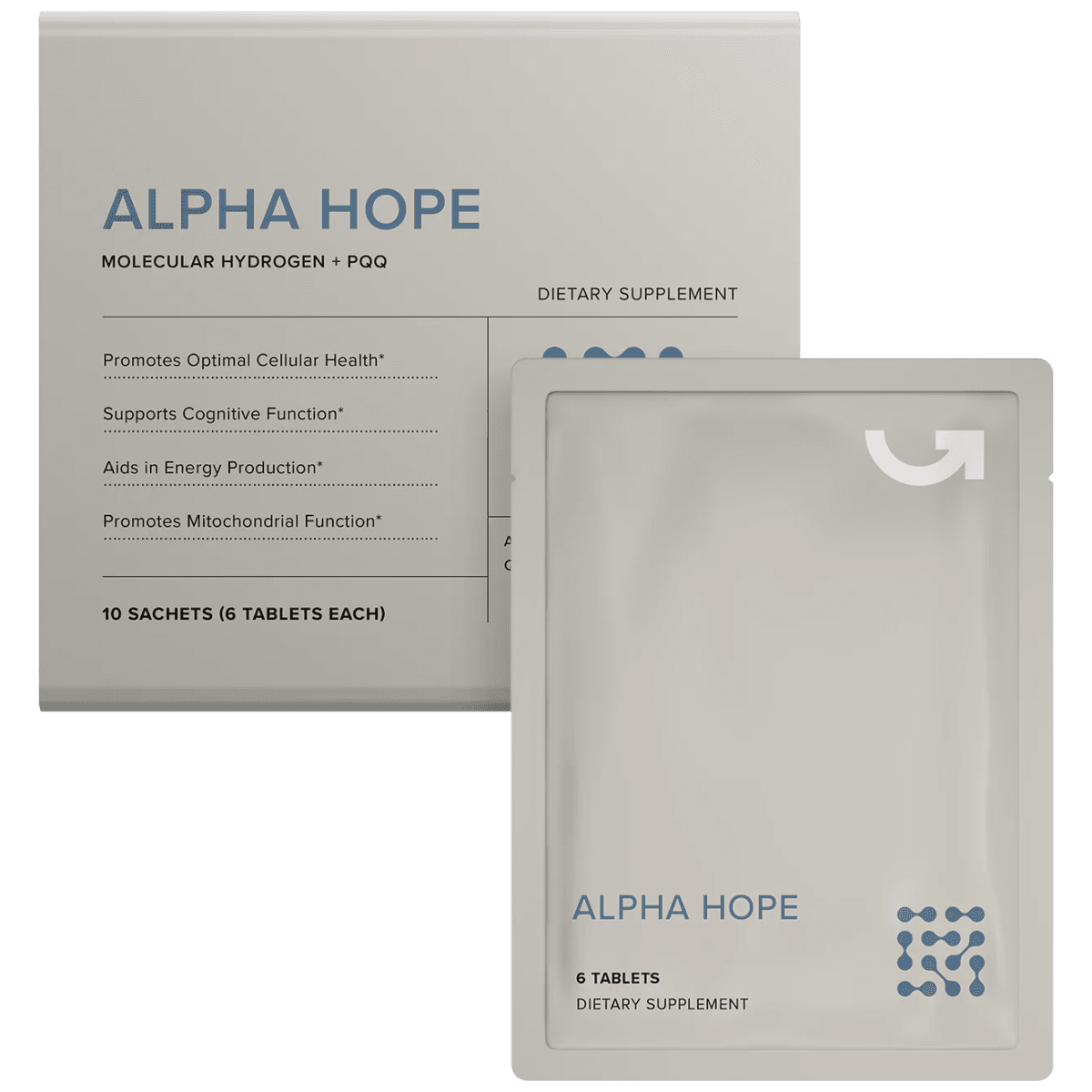
By integrating effervescent hydrogen tablets like AquaNova or blends with PQQ like AlphaHope, you give your cells optimal support to maintain healthy metabolism and recover faster from daily demands.